

Contenido
Cuando un administrador de flota necesita guardabarros, rejillas y puertas de repuesto para un grupo mixto de camionetas de trabajo, la primera cotización a menudo promete un precio unitario bajo. El problema aparece más tarde: los paneles no se alinean con los faros, las pestañas de montaje quedan a unos pocos milímetros de distancia o el acabado comienza a oxidarse después de una temporada de lluvias. La elección del fabricante de piezas de carrocería de camioneta decide con qué frecuencia se repite esa reparación, no sólo cuánto cuesta la primera caja.
Esta guía explica lo que importa al evaluar a un proveedor de piezas de carrocería: ajuste específico del modelo, calidad del material, gama de productos, asistencia para realizar pedidos y coherencia a largo plazo. Compartimos estos puntos desde la perspectiva de un fabricante cuyo catálogo cubre camionetas de trabajo populares como Toyota Revo, Isuzu D-Max, Mitsubishi L200, Nissan Navara, Ford Ranger y VW Amarok.
Las partes del cuerpo no son universales. Una parrilla, un guardabarros, una puerta o un portón trasero siguen los contornos exactos de una generación de vehículos. Por ejemplo, el Isuzu D-Max fabricado entre 2002 y 2011 comparte muy poco con el modelo 2012-2015, y las versiones 2015, 2018, 2020 y 2024 tienen cada una su propia estructura frontal. Una pieza que parece idéntica en una foto no puede encajar debido a un único soporte o apertura del sensor.
Las recogidas en el trabajo empeoran el problema. Transportan cargas pesadas, viajan sobre grava y absorben impactos de piedras que desgastan lentamente los paneles exteriores. Cuando un panel tiene el grosor incorrecto o la geometría de montaje incorrecta, genera vibraciones, ruido del viento y espacios donde la humedad llega a los conectores y sujetadores. Por eso, un fabricante especializado organiza las herramientas en función de la marca, el modelo y el año de producción del vehículo, en lugar de intentar vender un panel universal para muchos camiones.
Cuando compare proveedores, pregunte por la generación de modelo exacta detrás de cada número de pieza. Un fabricante serio proporcionará un código de producto que haga referencia a la línea de vehículos, como XT-20DMAX para un Isuzu D-Max 2020 o XT-18L200 para un Mitsubishi L200 2018. Ese sistema de codificación es la primera señal de control de ajuste a nivel de fábrica.
Utilice la lista de verificación de evaluación a continuación durante sus primeras conversaciones con un proveedor. Le ayudará a distinguir a un fabricante genuino de una empresa comercial que tal vez no controle el ajuste, el material o el embalaje.
| punto de control | ¿Por qué es importante? | Pregunta para hacer |
|---|---|---|
| Cobertura de modelo y año. | Los puntos de montaje difieren entre generaciones y versiones regionales. | ¿La pieza se ajusta a la especificación Toyota Revo Middle East 2021? |
| Grado de material | La resistencia del panel y la resistencia a la corrosión dependen del grado de acero o plástico. | ¿Qué material se utiliza y cuál es el espesor nominal? |
| Condición final | La pintura del color de la carrocería suele aplicarse localmente, por lo que el acabado base debe ser estable. | ¿Las piezas están imprimadas, ennegrecidas o listas para pintar? |
| Inspección y embalaje | Los paneles exteriores pueden dañarse durante el transporte si no se embalan correctamente. | ¿Proporcionan fotografías antes del envío y cajas de cartón reforzadas? |
| Consistencia del suministro | Se debe producir un pedido repetido con las mismas herramientas y tolerancias. | ¿Cómo se evita que las revisiones de piezas cambien el ajuste? |
Si el proveedor no puede responder claramente a estas preguntas, solicite una muestra o una pieza de preproducción antes de realizar un pedido completo. Una referencia útil para ese proceso es nuestra Guía para elegir las piezas de automóvil adecuadas , lo que explica la diferencia entre piezas de repuesto de equipo original, estilo OEM y de posventa.
Un catálogo estructurado es más práctico que una larga lista de fotografías genéricas. En Danyang Xintai Auto Parts Co., Ltd, organizamos los productos por marca, modelo y año de vehículo. La línea Isuzu D-Max, por ejemplo, cubre partes de carrocería separadas para las generaciones 2002-2011, 2012-2015, 2015, 2018, 2020 y 2024. Ese nivel de separación impide que se envíe un guardabarros de 2018 para una camioneta de 2020.
Para los operadores que manejan el Mitsubishi L200 2018, el Mitsubishi L200 2018 parrilla negra Es uno de los artículos de reemplazo más solicitados. Llega como una pieza de carrocería independiente, sin necesidad de comprar un módulo frontal completo. Los administradores de flotas a menudo lo piden junto con los faros y los revestimientos de los guardabarros porque esas piezas se encuentran en la misma zona de impacto.
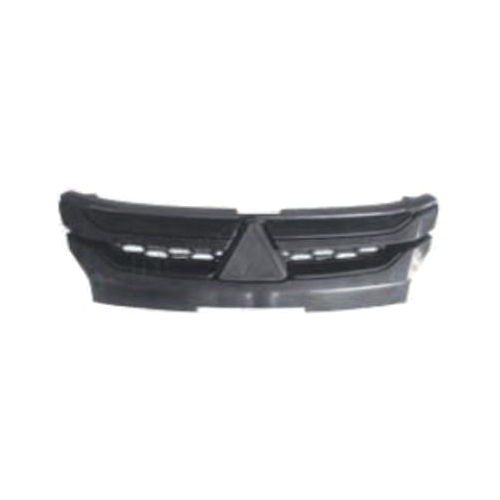 OEM 2019 L200 Grille Black XT-18L200-012 Fabricante - Danyang Xintai Auto Part Como principal fabricante y fábrica de China 2019 L200 Grille Black XT-18L200-012, Danyang Xintai Auto Parts Co., Ltd ofrece servicios OEM al por mayor... Ver producto →
 Para los vehículos Isuzu más nuevos, el 2020 Isuzu D-Max parte de la carrocería refleja los cambios frontales introducidos en esa generación. Mantener un pequeño stock de estos paneles reduce el tiempo de inactividad de los camiones que quedan fuera de servicio después de una colisión menor.
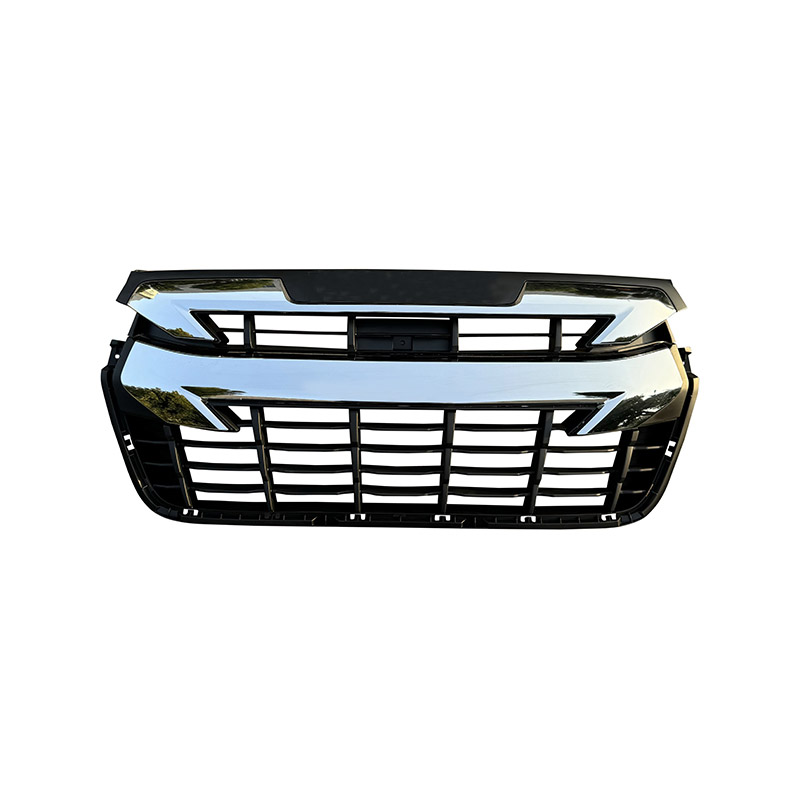 OEM 2020 DMAX Parrilla Normal Estándar XT-20DMAX-009 Fabricante - Danyang Xintai Como principal fabricante y fábrica de China 2020 DMAX Grille Normal Standard XT-20DMAX-009, Danyang Xintai Auto Parts Co., Ltd ofrece venta al por mayor... Ver producto →
 Las variaciones regionales también son importantes. Una camioneta vendida en un mercado puede tener diferentes molduras de parachoques, aberturas de sensores o formas de faros delanteros. Es por eso que mantenemos una gama dedicada de Toyota Revo 2021 Piezas de carrocería Oriente Medio , por lo que los compradores no tienen que modificar una pieza estándar para adaptarla.
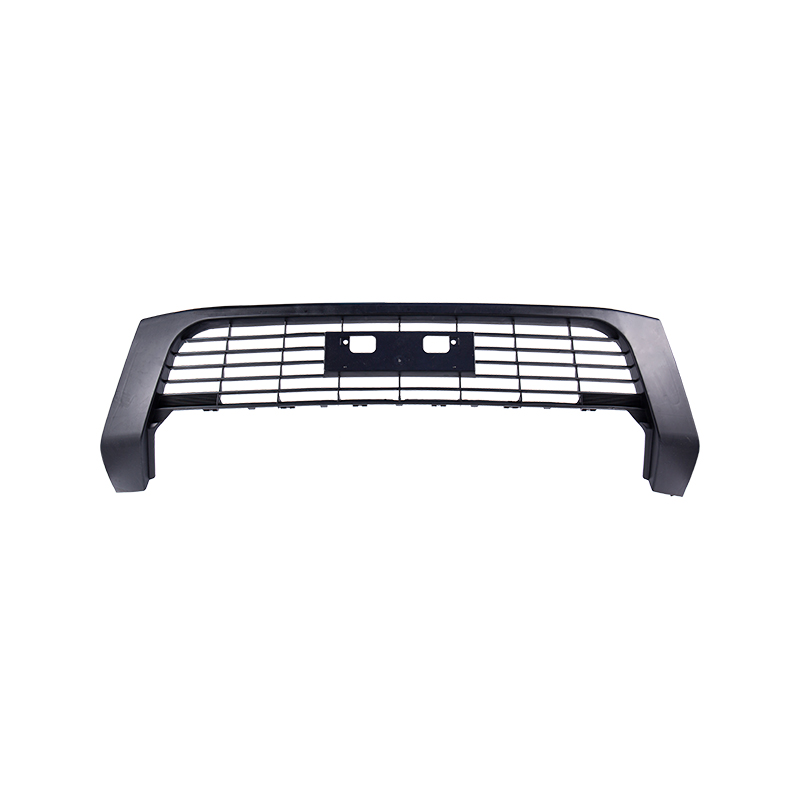 Parrilla de parachoques OEM parrilla de parachoques XT-21RVM-003 Ma de la edición de Oriente Medio de REVO de 21 pulgadas Como principal fabricante y fábrica de parrilla de parachoques de China REVO Middle East Edition de 21 pulgadas, Danyang Xintai Auto Part... Ver producto →
 Mezcla ilustrativa de grupos de partes de carrocería en un pedido de reemplazo de camioneta.
Realizar un pedido a un fabricante es diferente a comprar una sola pieza en una tienda de repuestos. Estás reservando tiempo de producción, pero una buena fábrica debería facilitar el primer pedido. Las piezas estándar suelen estar disponibles en pequeñas cantidades y el proveedor puede confirmar el embalaje y el tiempo de entrega antes de pagar.
Cuando prepare una consulta, incluya los siguientes detalles para evitar intercambios:
Para los compradores de flotas, un pedido de estructuras suele ser una mejor estrategia. Al enumerar las piezas y cantidades recurrentes, garantiza herramientas y acabados consistentes en todos los envíos. El fabricante también puede reservar material de embalaje y planificar la producción en función de la demanda esperada.
Las partes de la carrocería generalmente incluyen paneles exteriores, rejillas, guardabarros, puertas, portones traseros y molduras. Las piezas de choque también pueden incluir elementos estructurales como soportes y refuerzos del radiador. Algunas piezas se superponen, por lo que el fabricante debe indicar el material y la función de cada pieza.
Sí, si puede proporcionar el número de pieza original, las fotografías y las dimensiones básicas. Una fábrica que trabaja con herramientas específicas para cada modelo puede identificar el plano de fabricación correcto o crear una referencia cruzada.
La mayoría de las piezas de repuesto de la carrocería se suministran impresas, en plástico negro o con un acabado básico. Es mejor pintar el color de la carrocería localmente para que la pintura combine con el vehículo y pueda repararse fácilmente si la pieza se raya durante la instalación.
Para piezas estándar, es posible una cantidad de muestra de una pieza. Para el precio del contenedor, la cantidad mínima depende del tamaño de la pieza y del lote de producción. Pregunte al fabricante por su pedido mínimo y precio por volumen en la misma cotización.
Elegir un fabricante de piezas de carrocería para camionetas no es una compra que requiera poca participación. La precisión del ajuste, la calidad del material, la cobertura del modelo y la coherencia de los pedidos dependen de cómo la fábrica gestiona sus códigos de productos y herramientas. Es mucho más probable que un proveedor pueda mostrar un catálogo estructurado por marca de vehículo, modelo y año entregue piezas que se instalan sin modificaciones.
El siguiente paso es simple: prepare una lista de las camionetas de su flota, anote las piezas que reemplazan con más frecuencia y contacta con el equipo de ventas con esa información. Obtendrá una imagen más clara de la disponibilidad, el embalaje y el plazo de entrega que la que puede ofrecerle una cotización genérica en línea.
Su dirección de correo electrónico no será publicada. Los campos obligatorios están marcados*
Póngase en contacto



 es
es  English
 Español

 02@xintai-autoparts.com

